I spent nine years sitting across from people at a retail bank, helping them navigate the panic that hits when their bank account balance doesn’t match their mental math. I’ve seen the same story play out a thousand times: you open your banking app, look at the last thirty days, and wonder, "Where on earth did it all go?"
If you are feeling like your discretionary spending is spiraling, please stop right now. Take a breath. I am not here to shame you for the coffee, the streaming subscriptions, or the occasional impulse buy on a mobile app. Those things bring joy, and life is too short to treat every nickel like a hostage. However, if that spending is preventing you from reaching your bigger goals, it is time to pivot from "mindless consumption" to fixed amount budgeting "deliberate decision space."

You don’t need to slash your lifestyle to the bone overnight. In fact, if you try to do everything at once, you’ll likely quit in a week. Let’s start with small, sustainable moves to regain control.
1. Define Your "Decision Space"
Most people think of disposable income as the "extra" money left over after the bills are paid. That is a dangerous way to look at it. Instead, start viewing your discretionary income as your deliberate decision space. This is the only money where you have 100% control over the "why."
When you spend money on rent, it’s a necessity. When you spend money on entertainment, it’s a choice. When we lose control of our spending, it’s usually because we’ve stopped making those choices consciously and started making them by habit. To fix this, you don't need a strict "no-spend" month; you need a "conscious-spend" month.
2. The Audit: How to Track Expenses Without Losing Your Mind
Before you can change your behavior, you have to know what you’re actually doing. You cannot fix what you do not track. You don’t need a complex accounting degree to do this; you just need to leverage the tools you already have.
- Banking Apps: Most modern mobile banking apps have an "Insights" or "Spending Analysis" tab. Use it. It categorizes your spending automatically. Look at the last 90 days. Budgeting Platforms: If your bank’s app is too basic, apps like YNAB (You Need A Budget) or Monarch can connect your accounts and show you exactly where the "leaks" are. The Analog Method: If apps overwhelm you, print your last two bank statements. Take a highlighter and mark every single recurring subscription or mobile payment.
As you go through your transactions, I want you to grab a notebook and write "planned" or "unplanned" in the margin next to every single line item. This simple practice changes your relationship with the transaction. Did you plan to spend $40 on that mobile game, or did you just tap the screen because you were bored at the bus stop? "Planned vs Unplanned" is the most powerful filter you can use to understand your financial behavior.
3. Treat Entertainment as a Serious Category
We often shame ourselves for "fun" spending, which is a massive mistake. If you don't budget for fun, you will inevitably overspend on it in a moment of weakness. You need to treat entertainment as a distinct budget category, just like groceries or utilities.
In my years at the bank, I saw hundreds of people leaking money through "ghost subscriptions"—services they forgot they signed up for three years ago. Use the table below to evaluate your current entertainment landscape:
Entertainment Source Is it "Planned"? Value Rating (1-10) Action Streaming Service A Yes 9 Keep Mobile Gaming Packs No 2 Cancel/Limit Music Subscription Yes 10 Keep Weekly Takeout Sometimes 7 Set a Limit4. The First Step: Set a Monthly Cap
Once you have identified your "unplanned" spending, don't try to eliminate it entirely. That is the quickest way to fail. Instead, set a monthly cap on your discretionary categories.
For example, if your average "unplanned" coffee/snack/app spending is $400 a month, don't try to make it $0. Set a cap of $300 for the first month. It’s a 25% reduction—significant enough to make a difference, but small enough that you won't feel like you're living in a bunker. Once you hit that cap for two months, lower it by another $50. This is the "small limit" strategy. It builds the muscle of restraint without killing your spirit.
5. The Secret Weapon: The 10-Minute Weekly Check-In
This is my number one piece of advice. In banking, I noticed that the customers who were most in control weren't the ones with the highest salaries—they were the ones who checked their money regularly.
Pick one day every week—I prefer Sunday morning—to perform a 10-minute money check-in. During this time:
Open your banking app. Look at your spending since the last check-in. Categorize your "planned vs unplanned" expenses from the week. Check your progress against your monthly cap. Adjust your spending for the upcoming week if you’re trending too high.Consistency is more important than intensity. A 10-minute check-in every week is far more effective than a three-hour deep dive once a year.
6. How to Effectively Cut Unplanned Spending
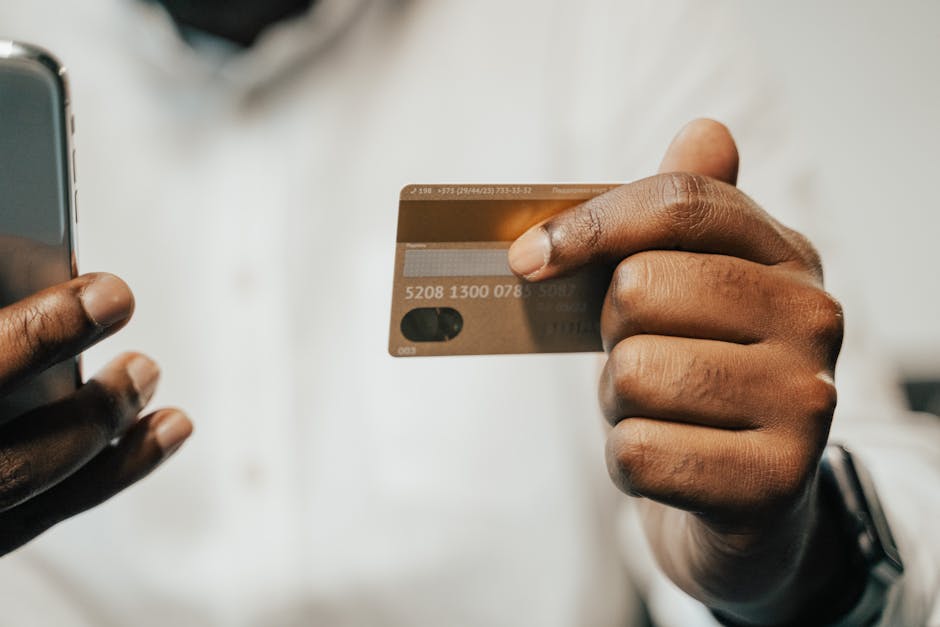
If you find that your "unplanned" spending is mostly happening via mobile payments or impulse clicks, you need to add friction to the process. Our phones make spending way too easy—one tap and the money is gone. Here is how you add friction:
- Delete payment info from browsers: Make yourself type in your credit card number every time you want to buy something online. That extra 60 seconds is often enough to make you reconsider the purchase. Remove "one-click" pay buttons: Disable Apple Pay or Google Pay for non-essential retail sites. The 24-Hour Rule: For any non-essential purchase over $30, wait 24 hours. If you still want it tomorrow, buy it. Most of the time, the impulse urge will have faded.
The Bottom Line
If your discretionary spending feels out of control, you aren't a failure. You’re just a person living in an economy designed to make parting with your money as effortless as possible. The goal isn't to stop spending on the things that make you happy; the goal is to make sure your spending is an act of intent, not an act of habit.
Start today. Log into your banking app, look at last week’s transactions, and start labeling them: planned vs unplanned. That’s your first move. Just one small limit, one consistent habit, and one check-in at a time. You’ve got this.